NVIDIA 发布 Bolt E4B:给本地助手和机器人用的小模型,少说废话,更会调用工具
从 Gemma 4 继续训练,兼顾简短对话和连续工具调用。约 6GB 内存的说法、机器人演示和性能数字,各有需要看清的条件。

NVIDIA 发布了 Nemotron-3.5-Bolt-E4B 4GB,这是一款给本地助手、互动角色和机器人使用的小模型,重点是自然地接话,并调用工具完成任务。模型基于 Google Gemma-4-E4B-it 构建,经过强化学习后训练,量化后在目标负载下的运行显存约为 4GB。主要功能特点包括:
- 多轮工具调用与动作决策:支持在连续对话中调用应用接口,读取执行结果,再决定下一步动作。
- 对话模式一键切换:在模板中提供开关,启用后自动加入精简指令并减少排版符号,输出适合语音播报的口语短句。
- 可调节思考机制:支持运行时开启或关闭显式思考过程,并支持设置思考 Token 预算上限以控制响应时延。
- 64K 上下文窗口:容纳系统设定、多轮历史对话、工具定义、环境状态与检索知识。
- 端侧多设备运行:面向 GeForce RTX 显卡、Jetson 嵌入式计算板、RTX Spark 与边缘设备。
说是 4GB 模型,到底需要多大显存和内存?
在讨论端侧部署时,“8B”、“4B”、“4GB”与“6GB”常被混淆。理解 Nemotron-3.5-Bolt-E4B 的资源需求,首先要分清参数规模、权重文件与运行时内存的具体指向。
模型的总参数量为 8B,有效参数量(Effective Parameters)为 4B。这继承自底座 Gemma-4-E4B 的分层嵌入(PLE)设计:模型让每层按 token 查找各自的专属嵌入表,表虽然体积大,但主要用于快速查表,不像常规计算层每次都要进行密集运算;因此,它的总参数有 8B,有效计算规模则按约 4B 命名。查找表仍然需要存储,不能据此把权重占用减半。(B 表示十亿:8B 是 80 亿参数,4B 是 40 亿。参数描述模型规模,GB 描述存储或内存容量。)
量化是降低权重数字的保存精度,以减少模型体积与运行资源需求;不同方案对体积和能力的取舍也不同。在实际存储与运行时,权重文件、显存占用与整机内存各不相同:
- 权重文件大小:BF16 全精度权重约为 15GB。官方采用重要性矩阵(imatrix)校准后的 Q4_K_M 4 位量化 GGUF 文件约为 6.18GB;而 Unsloth 发布的 UD-Q4_K_XL 量化文件约为 4.76GB。下载时要认准各自的量化规格。
- 运行时显存占用(VRAM):在典型的单会话业务负载下(如 3,000 Token 输入、50 Token 输出),RTX 5070 上的显存开销约为 3.5GB;在 32K 缓存的多轮长会话中约为 4.3GB;在配备 8GB 统一内存的 Jetson Orin Nano 上,整套推理运行时占用约为 4.2GB 至 4.9GB。这也是命名中“4GB”的由来——将目标负载下的显存开销控制在 4GB 左右。这里 6.18GB 统计的是整份磁盘权重,而 3.5GB 仅计算 GPU 显存占用,运行还需要配合系统内存。4GB 是目标负载下的显存指标,不是整机只需 4GB 内存。
- 整机运行内存(RAM):Unsloth 给出的运行参考是约 6GB RAM。实际占用还会随量化版本、上下文长度与运行软件变化;看到“6GB”后,仍要为系统和其他应用留出空间。
小模型少占一些内存,语音识别、语音合成、感知模型和应用就更有机会在同一台设备共存。不过,Jetson 的 8GB 是共享内存;除了 Bolt 的占用,还要计算操作系统和其他程序的开销。
为什么它能做到少说废话,专注于执行任务?
小模型充当本地助手时,冗长回答会造成两种麻烦:一是陷入冗长的内心独白,输出大段分析却迟迟不调用工具;二是输出充满复杂排版、长篇大论的书面说明,导致语音播报时延极高且听感生硬。
底座模型 Gemma-4-E4B-it 本身已经具备指令微调(IT)基础。NVIDIA 在本次 Nemotron-3.5-Bolt-E4B 的后训练阶段跳过了额外的监督微调(SFT),全程直接采用强化学习。研发团队曾尝试使用多样化的教师模型数据进行 SFT,实验表明 SFT 虽然能拉高工具调用的表现,但也让对话质量下降、回答变得冗长。因此最终版本选择先检查动作做得对不对(如利用规则直接验证工具调用参数与执行结果的正确性)、回答是否自然,以这些反馈继续训练,将基于可检查结果的奖励(RLVR)与基于偏好的反馈奖励(RLHF)结合起来。(训练在 NeMo-RL 与 NeMo-Gym 框架下开展。)
为了让小模型在交互中更敏捷,训练中落实了三项机制:
- 非思考与思考样本 2:1 配比:训练集里的每一条样本,都会分别在开启思考(
enable_thinking=true)和关闭思考(enable_thinking=false)两种模式下生成与评估奖励。训练批次中维持 2 份非思考样本比 1 份思考样本的比例,使模型在无需显式中间推演链条时,也能准确理解指令并输出正确动作。 - 动态调整长度惩罚:随着强化学习进行,模型往往倾向于拉长推演过程来规避错误。团队在生成奖励模型(GenRM)环境中对过长的思考和回答扣分,并通过循环调节扣分力度(放宽与收紧惩罚),让准确率与简洁度一起改善。官方在输出长度对照中给出的结果是:在 BF16 的 21 项基准综合评估中(多数任务开启思考,EQ-Bench、RoleBench 与 RULER 关闭),Bolt 均分为 63.9 分、平均输出 672 tokens;底座 Gemma-4-E4B-it 均分为 58.1 分、输出 782 tokens;而同规模的 Qwen3.5-4B 均分为 57.8 分,输出却达到 3,604 tokens。Bolt 的平均输出比这里的 Qwen 少约 81%,比 Gemma 少约 14%。所以“最多少约 80%”取决于比较对象;长度惩罚是训练中的一项选择,这组对比衡量的是整个模型的结果。
- 先说话后动作的模板排布:在聊天模板中,当助手的回复同时包含自然语言和工具调用时,模板将解释性文字置于工具调用之前。这使得智能体在触发耗时工具前,能先向用户口头说明(例如“正在为您查询今天的天气…”),再发出调用指令,让对话中的确认和实际动作衔接起来。
官方还测试了游戏里的铁匠商人 NPC:玩家提出想要一把金斧,NPC 要求收取两颗钻石;玩家先交付一颗后,NPC 明确要求补足第二颗,待两颗钻石收齐后,再自主调用工具查询合成配方、取用材料、制作金斧并交付给玩家。在这条执行链中,模型负责输出工具调用请求,外部宿主应用在本地执行对应的真实 API,并将执行结果与新状态回传给模型,模型再基于最新依据推进下一步动作与对话,保持完整的请求与执行闭环。
玩家先给一颗钻石,铁匠要求补齐第二颗;补齐后才取材料、制作并交付金斧。来源:NVIDIA 官方演示,约 33 秒,无音轨。
本地部署跑得有多快?首字延迟与生成速度表现
评估本地助手的响应速度,必须将首字延迟(TTFT,Time to First Token)与生成吞吐率(TPS,Tokens Per Second)分开分析。前者主要受读取输入的“预填充”阶段影响,后者衡量逐步生成内容的“解码”阶段。
首字延迟是指从用户请求进入模型到吐出第一个 Token 的时间,它主要受预填充阶段的计算影响,但并不等同于语音交互中“用户说完到音箱开始发声”的端到端整体延迟(端到端还包含语音识别与音频传输等环节)。生成吞吐率则代表进入解码阶段后,模型每秒能生成多少个 Token。在硬件测试中,32K 缓存指已经缓存的上下文,2K 为本轮新输入,256 为本轮输出;两组负载测试的多项条件不同,不能把两组差值全部归因于缓存长度。
四条横线使用同一时间刻度:越短,首个 token 来得越早。数字均为 NVIDIA 测量值。
当前:无缓存,3K 输入、50 输出。两组负载同时改变了缓存、新输入与输出长度。
Q4_K_M · llama.cpp CUDA · 单会话。TTFT 从模型请求计时,不含语音识别和语音合成。占用是官方表中的显存指标;Jetson 使用共享内存,容量减去模型占用不代表其他应用的实际可用内存。
数据基于官方 AIPerf 在 llama.cpp(CUDA,Q4_K_M)下测定。长上下文指 32K 缓存搭配 2K 输入与 256 输出。
以官方在 Q4_K_M 量化下的基准数据为例:
- 在桌面级独立显卡 RTX 5070(12GB) 上,面对 3,000 Token 的标准输入,TTFT 为 548 毫秒,TPS 达到 133.4 tok/s。
- 但在算力受限的嵌入式边缘设备 Jetson Orin Nano(8GB) 上,处理相同的 3,000 Token 输入,首字延迟升至 5,785 毫秒(近 5.8 秒),解码速率为 15.5 tok/s。
这一同负载对比表明:在算力较低的边缘设备上,面对较长的系统设定与历史上下文,预填充阶段带来的首字延迟会显著拉长用户的等待时间,需要开发者重点控制输入长度。
为了在生成阶段提高解码吞吐,该模型配套发布了基于 DFlash 架构的并行投机采样草稿模型(DFlash Parallel Drafter)。投机采样让小草稿模型先快猜下一串内容、主模型集中检查、采用通过的部分,一次性敲定多个 Token,从而减少了主模型逐个生成的次数。这个草稿模型有 5 层 Transformer,单次前向传播能同时预测 7 个候选 Token,再由主模型并行验证,验证过程严格保持主模型的原始概率分布。
在加速效果上,准确对应的测试基线如下:
- 在 RTX PRO 6000 上运行 BF16 NIM 服务、开启思考且并发为 1 时,配合 DFlash 的单用户解码速率提升至无投机采样基线的 2.74 倍(从 124.7 tok/s 提升至 341.2 tok/s);
- 在 RTX 5070 上以 batch size 1 测试 SPEED-Bench coding 子集时,两款目标模型均采用 Q4_K_M 量化,Bolt 搭配 BF16 DFlash 草稿模型,其生成吞吐率达到 272.6 tok/s,相比 Gemma-4-E4B-it 官方自带的 MTP 方案(225.9 tok/s)提升了 21%(达到 1.21 倍)。这与前文 133.4 tok/s 属于不同的测试设置,两者不能混淆。
DFlash 加快的是后续生成。在上述 NIM 测试设置中,首字延迟的变化不足 100 毫秒;输入很长时,读取输入的等待仍然需要单独解决。
它能看懂图片、听懂语音吗?多模态与跨语言能力实测
Bolt 继承了 Gemma 4 的看图、听音频能力,但具体能用哪些输入,还取决于部署方式:官方基础 GGUF 模型卡上的输入输出标注为 Text / text,但官方 NIM BF16 微服务原生支持文本、图像与音频输入;在 Unsloth 仓库中,也提供了配套的 mmproj 附加文件供多模态工具加载。看图需要匹配的模型文件与运行工具,加载文本 GGUF 并不等于已经接好了视觉输入。
继承的能力也出现了不同方向的变化:
- 视觉理解出现了退化:Gemma-4-E4B 底座本身具备多模态能力,但在纯文本强化学习后训练过程中,视觉编码器与语言模型之间出现了对齐漂移。评测表明其视觉指标相比 Gemma-4-E4B-it 出现退化:在开启思考模式下,文档识别基准 OmniDocBench 1.5 指标(越低越好)从 0.21 升至 0.42;多学科视觉理解 MMMU-Pro Vision 从 47.63 降至 42.02,MathVision 从 48.29 降至 46.25。团队尝试单独训练视觉编码器,仍未见明显改善。
- 音频理解能力有所提升:在开启思考模式下,Bolt-E4B 在单轮语音基准 VoiceBench 上评分为 80.30(高于底座的 78.20);在多轮语音评测 Audio MultiChallenge 上达到 25.22(高于底座的 19.03)。两款模型均支持最长 30 秒的语音输入,由于 AudioMC 中有超过 50% 的对话包含超出 30 秒的回合,评测成绩受到每轮 30 秒语音输入上限的限制,未覆盖完整未截断的对话。这些分数衡量听懂语音输入;把回答念出来仍需要语音合成。
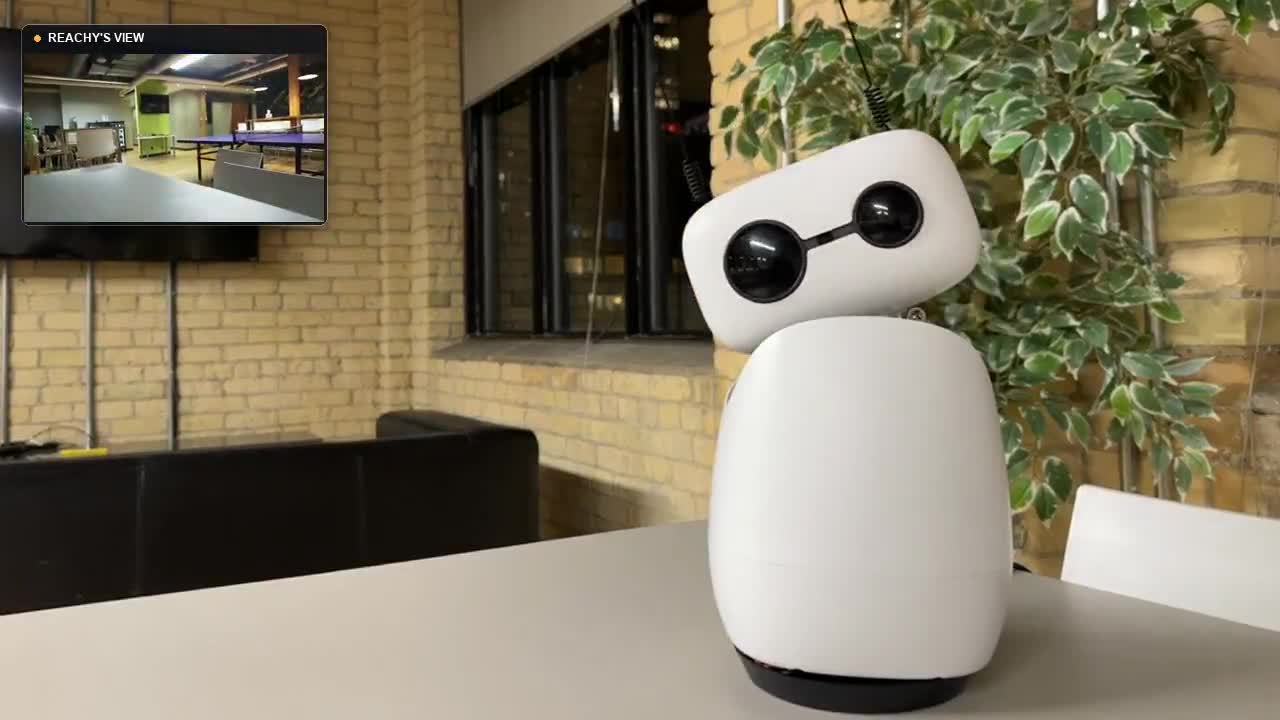
- 机器人演示中的感知与动作分工:在官方公布的 Reachy Mini 桌面机器人演示中,实时环境视觉理解由 NVIDIA Cosmos 3 Edge 负责。Bolt-E4B 接收 Cosmos 传来的感知结果,负责组织对话逻辑,并调用机器人既有动画库中的动作脚本驱动身体反应。两个模型在 Jetson Orin Nano 8GB 上本地协作。
- 跨语言表现的取舍:这次后训练使用英文数据,但 WMT24++ 评测显示其机器翻译质量总体得以保留;而在多语言知识与推理(MMLU-ProX)上出现了小幅但一致的下滑。在开启思考模式下,其中文 MMLU-ProX 得分为 65.17,相比底座 Gemma-4-E4B-it(66.78)低了 1.61 分(非思考模式为 63.32,低 1.12 分)。
Cosmos 3 Edge 负责环境感知,Bolt 接收感知结果,组织对话并调用既有动画。两者运行于 Jetson Orin Nano 8GB。来源:NVIDIA,约 25 秒,无音轨。
各项基准测试表现:它擅长什么,又不适合什么?
NVIDIA 报告的“比 Nano 4B 平均提升约 40%”,覆盖 21 项基准;推文配图里的 70.2 分,来自其中 6 项任务的 Q4_K_M 平均成绩,图中的首字速度在 RTX 5090 上测量,输入约 3,000 个 token、输出约 50 个。70.2 不能当作手机上的速度或通用能力总分。
成绩由 NVIDIA 在统一的 NeMo-Gym 框架下测得,适合用来观察同条件比较;Brevity Benchmark 和 When2Call-MT 尚未公开。
下图六项测试的思考模式并不完全相同:RULER 在 BF16 与 Q4_K_M 两种精度下均关闭显式思考,其余五项则开启思考。关闭思考能够直接给出答复,但也伴随具体任务上的准确率取舍——例如在 BF16 下,关闭思考后 When2Call-MT 得分由 63.36 降至 51.25,Tau2-Bench 由 55.10 降至 34.34。在全部 21 项基准中,Bolt 的非思考模式仍在同组对手中取得 14 项最高或并列最高分;是否关闭,应结合任务所需的正确率来决定。
评测条件:RULER 关闭思考,其余五项开启思考;BF16 与 Q4_K_M 均沿用各项设置。上方开关只切换权重精度,不切换思考模式。
数据源自技术报告 Table 3(BF16)与 Table 5(Q4_K_M),采用 NeMo-Gym 同一评估管线测定。当前对比的六项指标中,RULER 在两种精度下均关闭思考模式,其余五项均开启思考模式。
1. 突出优势:规则遵守与工具判断
- 系统指令冲突遵守(IHEval BF16 84.79 / Q4_K_M 82.40):在系统预设与用户指令发生冲突或恶意诱导测试中,Bolt-E4B 对系统规则的遵守表现明显好于底座 Gemma-4-E4B-it(BF16 67.04 / Q4 66.61)与 Qwen3.5-4B(BF16 60.57 / Q4 62.87)。这说明它更能坚持预设规则,但仍会出现遵守失败。
- 跨轮约束与角色身份保持:在连续多轮交互中持续遵循规则并维持角色设定,对本地交互式 Agent 尤为关键。在开启思考模式下,测试多轮上下文指令与约束一致性的 MultiChallenge(BF16)中,Bolt-E4B 达到 53.10 分(底座 Gemma-4-E4B-it 为 42.08);在角色阅读理解与人设依从基准 RoleMRC(BF16)上,Bolt-E4B 达到 80.63 分(底座为 74.62)。这两项结果说明,相比底座,它更善于记住多轮约束、按给定身份回应;这与能否体察情绪是不同的能力。
- 调用时机把控(When2Call-MT BF16 63.36 / Q4_K_M 60.50):相比 Qwen3.5-4B(BF16 37.85 / Q4 42.88),Bolt-E4B 能更稳定地判断何时直接作答、何时应触发外部工具、何时向用户反问澄清,与底座 Gemma-4-E4B-it(BF16 62.90 / Q4 61.12)表现相当。
- 回答精简度(Brevity Benchmark BF16 82.52 / Q4_K_M 82.84):在保留核心回答信息的前提下,其表达比底座 Gemma-4-E4B-it(BF16 79.99 / Q4 78.49)与 Qwen3.5-4B(BF16 75.35 / Q4 75.17)更为简练。
- 工具防带偏能力(RelyToolBench BF16 63.16 / Q4_K_M 69.29):当调用的外部 API 返回虚假或错误字段时,模型抗干扰并纠正执行的能力明显强于 Qwen3.5-4B(BF16 43.35 / Q4 38.34)。
- 资料检索依据与事实选择:从检索资料中提取有据事实不同于工具异常时的抗干扰。比如本地助手在读取设备手册或本地知识库后,需要准确基于提供的内容作答,避免脱离材料编造。在开启思考模式下,衡量依凭检索材料生成事实的 GaRAGe(BF16)中,Bolt-E4B 达到 42.61 分,高于底座 Gemma-4-E4B-it 的 34.73 分;而在辨别无依据陈述的 RAGTruth(BF16)上,Bolt-E4B(77.59)相比底座(76.97)改善幅度较小,回答仍可能出现缺少依据的说法。
2. 明显短板:复杂多步任务与长文检索
- 复杂多步骤客服任务(Tau2-Bench BF16 55.10 / Q4_K_M 52.32):在包含用户状态迁移与退改签等复杂多步骤客服任务中,Bolt-E4B 虽高于底座 Gemma-4-E4B-it(BF16 38.50 / Q4 38.72),但明显落后于 Qwen3.5-4B(BF16 75.06 / Q4 61.74),在多步规划任务上显得吃力。
- 超长文本检索(RULER 64K BF16 86.99 / Q4_K_M 85.76):在 64K 满上下文的精确信息定位中,得分与底座 Gemma-4-E4B-it(BF16 86.55 / Q4 86.14)接近,但低于 Qwen3.5-4B(BF16 95.15 / Q4 95.37),也落后于前代 Nano 4B(BF16 91.51 / Q4 91.31)。面对长文档的密集检索并不是它的强项。
- 情绪理解与共情(EQ-Bench v3 BF16 39.40 / Q4_K_M 38.15):该项评估在关闭思考模式下进行,得分略低于底座 Gemma-4-E4B-it(BF16 41.17 / Q4 39.77),但高于 Qwen3.5-4B(BF16 32.92 / Q4 32.07)。
如何上手体验与调用模型?
在下载或配置模型时,需注意认准 E4B 规格,避免误下载同系列中体积大得多的 74B 规格(如 74B-A9B 权重超过 20GB,需要完全不同的硬件配置)。
1. 图形化试用(Unsloth Desktop)
适合希望在 Mac、Windows 或 Linux 上直接进行本地对话体验的用户:
- 打开 Unsloth Desktop 应用,进入 Model Hub。
- 搜索
Nemotron 3.5 Bolt,在列表中明确选择 E4B 规格(如NVIDIA-Nemotron-3.5-Bolt-E4B-UD-Q4_K_XL.gguf)。 - 初次体验时,可将上下文长度设置为 4,096 或 8,192 Token 作为短上下文的尝试起点,根据实际硬件显存表现再逐步调整,而非所有设备都能直接满足长上下文运行。
2. 开发者部署参考
具备 NVIDIA GPU 的 Linux 开发者,可直接参考官方 Hugging Face 模型卡(nvidia/NVIDIA-Nemotron-3.5-Bolt-E4B-4GB)与 NIM 指南获取容器部署方法。在启动服务时,应根据实际显存合理设置上下文窗口大小,避免因直接设置 64K 上下文而造成内存耗尽。
3. 核心调用参数与模式控制
通过 API 客户端调用时,需注意官方推荐的设置与特有参数:
- 采样参数:官方推荐在开启和关闭思考模式下,均保持
temperature=1.0与top_p=0.95。 - 对话模式(conversational_mode):在调用中传递
chat_template_kwargs={"conversational_mode": True},模板会在系统提示中加入简短、少用复杂排版格式的口语化指令,而非强制剔除所有格式;该开关与思考模式相互独立,可自由组合搭配。 - 思考模式控制(enable_thinking):通过
chat_template_kwargs={"enable_thinking": False}可关闭显式思考过程直接输出回答,但这只代表不输出思考链条,并不意味着底层完全不做推理;若需设置思考 Token 预算上限,--reasoning-budget仅为 llama.cpp 的 llama-server 启动选项,NIM 则通过请求级的thinking_token_budget参数控制。硬性上限会直接截断思考过程,需要结合具体任务进行验证,语音识别、工具执行等其他环节的延迟仍需另外处理。 - 开源协议说明:模型权重遵循 OpenMDW-1.1 协议,官方模型卡注明可用于商用或非商用场景;底座 Gemma-4 虽然采用 Apache 2.0 协议,但本次后训练权重需遵守 OpenMDW-1.1 条款,使用本次权重时应按其标注协议处理。
Nemotron-3.5-Bolt-E4B 4GB 将重心放在了端侧有限资源下的本地助手与受控交互场景。它在精简回答长度、执行多轮工具操作和遵守系统指令层级上表现突出,适合需要快速反应的桌面伴侣、车载语音或机器人动作调度任务;而在超长文本检索与复杂多步业务规划上仍有明显短板。在实际落地时,开发者仍需根据自身设备的延迟承受力与具体任务需求,进行实际的测试与选择。
Bolt E4B:本地助手的训练、资源与能力取舍
在讨论端侧部署时,“8B”、“4B”、“4GB”与“6GB”常被混淆。理解 Nemotron-3.5-Bolt-E4B 的资源需求,首先要分清参数规模、权重文件与运行时内存的具体指向。
模型的总参数量为 8B,有效参数量(Effective Parameters)为 4B。这继承自底座 Gemma-4-E4B 的分层嵌入(PLE)设计:模型让每层按 token 查找各自的专属嵌入表,表虽然体积大,但主要用于快速查表,不像常规计算层每次都要进行密集运算;因此,它的总参数有 8B,有效计算规模则按约 4B 命名。查找表仍然需要物理存储,不能据此把磁盘文件占用减半。
这也是命名中“4GB”的由来——将目标负载下的显存开销控制在 4GB 左右。这里 6.18GB 统计的是整份磁盘权重,而 3.5GB 仅计算 GPU 显存占用,运行还需要配合系统内存。4GB 是目标负载下的显存指标,不是整机只需 4GB 内存。Unsloth 给出约 6GB RAM 运行参考,实际仍需为系统和其他应用留空间;Jetson 使用共享内存。
小模型充当本地助手时,冗长回答会造成两种麻烦:一是陷入冗长的内心独白,输出大段分析却迟迟不调用工具;二是输出充满复杂排版、长篇大论的书面说明,导致语音播报时延极高且听感生硬。
底座模型 Gemma-4-E4B-it 本身已经具备指令微调(IT)基础。NVIDIA 在本次 Nemotron-3.5-Bolt-E4B 的后训练阶段跳过了额外的监督微调(SFT),全程直接采用强化学习。研发团队曾尝试使用多样化的教师模型数据进行 SFT,实验表明 SFT 虽然能拉高工具调用的表现,但也让对话质量下降、回答变得冗长。因此最终版本选择先检查动作做得对不对(如利用规则直接验证工具调用参数与执行结果的正确性)、回答是否自然,以这些反馈继续训练,将基于可检查结果的奖励(RLVR)与基于偏好的反馈奖励(RLHF)结合起来。
非思考与思考样本 2:1 配比:训练集里的每一条样本,都会分别在开启思考(enable_thinking=true)和关闭思考(enable_thinking=false)两种模式下生成与评估奖励。训练批次中维持 2 份非思考样本比 1 份思考样本的比例,使模型在无需显式中间推演链条时,也能准确理解指令并输出正确动作。
在 GenRM 奖励模型中对冗长推理施加周期性收紧与放宽的扣分调节。BF16 的 21 项综合基准中(多数开启思考,EQ/RoleBench/RULER 关闭),Bolt 均分 63.9(平均 672 tokens),比同规模 Qwen3.5-4B(3,604 tokens)少约 81% 输出长度,综合均分更高。
模板将自然语言解释置于工具调用之前。Agent在执行耗时操作前先向用户发出口头确认(如“正在为您查询天气…”),再发出 API 请求,让口头确认与工具动作衔接。
评估本地助手的响应速度,必须将首字延迟(TTFT)与生成吞吐率(TPS)分开分析。前者主要受读取输入的“预填充”阶段影响,后者衡量逐步生成内容的“解码”阶段。
在桌面级独立显卡 RTX 5070(12GB) 上,面对 3,000 Token 的标准输入,TTFT 为 548 毫秒,TPS 达到 133.4 tok/s。但在算力受限的嵌入式边缘设备 Jetson Orin Nano(8GB) 上,处理相同的 3,000 Token 输入,首字延迟升至 5,785 毫秒(近 5.8 秒),解码速率为 15.5 tok/s。
DFlash 加快的是后续生成。在上述 NIM 测试设置中,首字延迟的变化不足 100 毫秒;输入很长时,读取输入的等待仍然需要单独解决。这意味着在边缘设备上构建 Agent 时,需要重点控制输入长度,并按具体设备与任务验证等待时间,不能指望草稿加速解决前填算力瓶颈。
各项基准测试表明,Nemotron-3.5-Bolt-E4B 具备非常鲜明的能力取向:强化了端侧Agent最需要的规则遵循与决策克制,但在多步规划与长文检索上存在妥协,且纯文本 RL 带来了视觉模态退化。
想要在本地顺畅体验或集成该模型,开发者需重点把握版本匹配与三个核心调用开关:
首先认准 E4B 规格,避免误下超过 20GB 的 74B 庞然大物。通过 Unsloth Desktop 或 llama.cpp 初次体验时,建议将上下文起点设为 4K 或 8K,直接分配 64K 可能导致内存不足,应按设备逐步验证。
核心调用参数规范:
1. 采样参数推荐在思考开/关下均维持 temperature=1.0 与 top_p=0.95;
2. 启用口语对话模式:传递 chat_template_kwargs={"conversational_mode": True},系统提示词将自动注入精简短句规则,口语化短句更适合语音播报;
3. 控制思考时延:通过 enable_thinking=False 可关闭显式思考过程,直接输出回答或工具请求;若需限制思考,可在 llama-server 使用 --reasoning-budget 或在 NIM 中指定 thinking_token_budget;
关闭思考仍有正确率取舍:BF16 When2Call 从 63.36 降至 51.25;预算上限也可能截断思考,应按任务验证。
4. 授权协议:模型权重基于 OpenMDW-1.1 协议开源,官方明确允许商业化与非商业落地应用。
NVIDIA Nemotron 3.5 Bolt E4B 4GB
We are releasing NVIDIA Nemotron 3.5 Bolt E4B 4GB, an open small language model optimized for speed and intelligence per GB in conversational agents.
Published: October 23, 2026
Introducing NVIDIA Nemotron 3.5 Bolt E4B 4GB
Today, we’re excited to release Nemotron 3.5 Bolt E4B 4GB — our latest open small language model optimized for speed and intelligence per GB in conversational agents.
Bolt E4B builds on Gemma 4 E4B with Nemotron post-training. It combines natural conversation with multi-turn agentic capabilities to power voice/device assistants, interactive characters and robotic/IoT interfaces running on NVIDIA GeForce RTX, Jetson, RTX Spark and DGX Spark.
Bolt E4B offers ~40% higher average quality against our prior model on key conversational agent benchmarks and outputs up to ~80% fewer tokens vs peers.
Designed to pack conversational agent intelligence into as little as ~4GB in its target workloads, Bolt E4B enables responsive local experiences while preserving headroom for applications and other models in the same pipeline.
Model Features
- Multi-turn tool use: call application APIs to carry out tasks across a conversation, with integration guidance for asynchronous tool calls
- Conversational mode: toggle to encourage concise, speech-ready responses for natural back-and-forth interactions
- Configurable reasoning: enable reasoning for complex requests or disable it for faster responses, with integration options to cap thinking to meet latency targets
- 64k context: accommodate conversation history, instructions, tool definitions, retrieved information and application state
- Multilingual capability: support for 35 languages, building on a base model pre-trained on +140 languages
Agents On Every Device
We’re always learning from how NVIDIA Jetson, GeForce RTX and DGX Spark customers — enterprises and enthusiasts alike — use our hardware to accelerate their workloads.
As language models become more capable, we’re seeing growing customer interest in using them for experiences like:
- Device & Voice Assistants: Fast local assistants for PC, mobile, app, home or OS control; customer service; and in-cabin experiences for vehicles
- Virtual & Interactive Characters: In-game NPCs, companions, and other interactive characters that blend dialogue with actions while maintaining a persona
- Embedded & Industrial Agents: Human-machine interfaces for robotics and heavy machinery; system automation and industrial IoT
Reachy Mini running on Jetson Orin Nano 8GB. Cosmos 3 Edge supplies real-time visual understanding of the world to Bolt E4B, which calls scripts from the robot’s animation libraries and powers its spoken responses.
Testing Bolt E4B on a blacksmith trader NPC. The agent verifies correct payment for an item, then autonomously calls tools to check crafting recipes, collect ingredients, craft the item, and transfer it to the user.
Many large models are capable of powering these agents — but constraints around memory, latency, hardware compatibility, cost, or privacy concerns prevent developers from deploying these in production.
And so, they turn to faster, cheaper, smaller local models that can unlock these experiences.
Evaluating Real-Time Interactive Agents
Choosing a model for these experiences is not as simple as picking the highest score on today’s LLM leaderboards.
A model that excels at agentic coding is often not the best fit for a fast home assistant that’s fun to interact with — these agents need a different mix of capabilities. Through conversations with customers, several common characteristics emerge:
- The model must often embody an agent that converses naturally with a human in the same physical or virtual space
- It must know whether, when and how to interleave dialogue with correct tool calls to take actions
- It must reliably honor explicit behavioral, persona, brand, or output constraints
- It must understand its environment by interpreting supplied app/world telemetry, retrieved database payloads or tool results
- And, it must ground all dialogue and actions in the relevant parts of all that context — especially amid distractors or as that context grows throughout a conversation
Current benchmarks only partially capture what makes these agents work well, and no individual benchmark covers every capability an application needs. Ultimately, benchmark gains must translate into better behavior in the target application.
Model Benchmarks & Performance
We selected complementary benchmarks that closely reflect customer workloads or that customers already use, and grouped them into five capabilities. The chart below compares Bolt E4B with models of different sizes on representative benchmark quality, time to first token and VRAM usage:

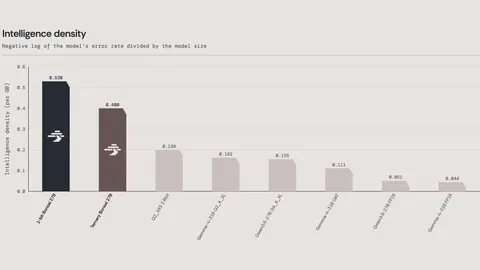
Average Q4_K_M score across MultiChallenge, RoleMRC, BFCL-v3, IHEval, SysBench and RelyToolBench. Measured on RTX 5090 at ~3K/50 ISL/OSL. Cloud reference results (score/TTFT): Gemini 3.8 Flash (77.1 / 2,449.5ms); Claude Sonnet 5.5 (76.2 / 3,002.2ms).
Conversation & Persona
| Benchmark (metric) | Description | Nemotron 3.5 Bolt E4B 4GB | Nemotron 3 Nano 4B | Qwen 3.5 4B | Gemma 4 E4B |
|---|---|---|---|---|---|
| Brevity Bench (avg. quality / conciseness) | Answer quality & conciseness | 82.5 | 73.6 | 75.3 | 80.0 |
| EQ-Bench v3 (Rubric) | Emotional intelligence in roleplay | 39.4 | 19.3 | 32.9 | 41.1 |
| MultiChallenge (Overall score) | Consistency across turns | 53.1 | 35.3 | 51.8 | 42.1 |
| RoleBench (Custom Win % vs. reference) | Character speaking style | 67.0 | 12.0 | 53.7 | 49.9 |
| RoleMRC (Judge avg., excl. multi-turn) | Role identity adherence | 80.6 | 47.0 | 65.8 | 74.6 |
Multi-turn Tool Use
| Benchmark (metric) | Description | Nemotron 3.5 Bolt E4B 4GB | Nemotron 3 Nano 4B | Qwen 3.5 4B | Gemma 4 E4B |
|---|---|---|---|---|---|
| BFCL-v3 (Avg accuracy) | Correct tools & arguments | 68.5 | 61.1 | 70.9 | 66.4 |
| Tau2-Bench (Avg accuracy) | Multi-turn customer tasks | 55.1 | 29.2 | 75.1 | 38.5 |
| ToolSandbox (Avg accuracy) | Tool use with changing state | 68.8 | 57.9 | 69.5 | 65.4 |
| When2Call-MT (Overall accuracy) | When to call, clarify or abstain | 63.4 | 27.7 | 37.8 | 62.9 |
Instruction & Control
| Benchmark (metric) | Description | Nemotron 3.5 Bolt E4B 4GB | Nemotron 3 Nano 4B | Qwen 3.5 4B | Gemma 4 E4B |
|---|---|---|---|---|---|
| AgentIF (Instruction success rate) | Complex agentic instructions | 25.8 | 20.1 | 20.4 | 21.9 |
| IFBench (Prompt loose accuracy) | Precise output constraints | 63.8 | 60.1 | 58.9 | 42.8 |
| IHEval (Conflict accuracy) | Instruction hierarchy/priority | 84.8 | 51.3 | 60.6 | 67.0 |
| InverseIFEval (Overall accuracy) | Counterintuitive instructions | 46.8 | 35.2 | 31.0 | 42.0 |
| StructEval-T (Average accuracy) | Valid structured outputs | 80.4 | 63.5 | 76.0 | 79.3 |
Context Robustness
| Benchmark (metric) | Description | Nemotron 3.5 Bolt E4B 4GB | Nemotron 3 Nano 4B | Qwen 3.5 4B | Gemma 4 E4B |
|---|---|---|---|---|---|
| LongBench v2 (48K, Overall accuracy) | Understanding long prompts | 50.5 | 31.4 | 59.9 | 49.3 |
| LongMemEval (Overall accuracy) | Recall across conversations | 72.1 | 25.2 | 66.8 | 70.9 |
| RULER (64K) (Overall accuracy) | Context retrieval & reasoning | 87.0 | 91.5 | 95.1 | 86.5 |
| SysBench (Instruction success rate) | Maintain long prompt rules | 67.9 | 60.9 | 67.3 | 65.8 |
State & Action Grounding
| Benchmark (metric) | Description | Nemotron 3.5 Bolt E4B 4GB | Nemotron 3 Nano 4B | Qwen 3.5 4B | Gemma 4 E4B |
|---|---|---|---|---|---|
| GaRAGe (Relevance-aware factuality) | Facts from supplied sources | 42.6 | 25.2 | 24.7 | 34.7 |
| RAGTruth (F1) | Avoiding unsupported claims | 77.6 | 71.4 | 75.6 | 77.0 |
| RelyToolBench (Native/real pass %) | Tool grounding & hallucination | 63.2 | 41.2 | 43.3 | 61.6 |
All results BF16. Every benchmark uses the same reasoning mode across models. Reasoning mode varies by benchmark. Brevity Bench and When2Call-MT address gaps in existing evaluations — to be released at a later date.
Across all these benchmarks, Bolt E4B achieves roughly 40% higher average scores than our prior model, Nano 4B, and roughly 10% higher scores than other peers evaluated.
These quality gains also come with fewer output tokens — up to 80% fewer in reasoning enabled comparisons. Reducing unnecessary generation lowers decoding work and costs, and can shorten response times.

Good responses still need to be fast responses in their target workloads — typically single session (batch size 1) envelopes between 2.5K and 16K input tokens and fewer than 500 output tokens.
The table below reports peak memory usage, time to first token, and generation throughput across representative hardware and workloads.
RTX
| SKU | Cache / ISL / OSL | VRAM usage (GB) | TTFT (ms) | TPS (tokens/s) |
|---|---|---|---|---|
| RTX 5070 (12GB) | 0 / 3K / 50 | 3.5 | 548 | 133.4 |
| 32k / 2K / 256 | 4.3 | 1,238 | 106.2 | |
| RTX Spark (32GB) | 0 / 3K / 50 | 3.1 | 930 | 67.0 |
| 32k / 2K / 256 | 4.2 | 1,988 | 52.0 |
Inference performance across hardware. All configurations measured using Q4_K_M at batch size 1 on llama.cpp (CUDA) with AIPerf. Cache/ISL/OSL denotes cached context, new input, and output lengths in tokens. Results may vary with hardware, inference software, and configuration.
Jetson
| SKU | Cache / ISL / OSL | VRAM usage (GB) | TTFT (ms) | TPS (tokens/s) |
|---|---|---|---|---|
| Jetson Orin Nano (8GB) | 0 / 3K / 50 | 4.2 | 5,785 | 15.5 |
| 32k / 2K / 256 | 4.9 | 6,259 | 13.0 | |
| Jetson AGX Orin (32GB) | 0 / 3K / 50 | 4.2 | 3,687 | 24.0 |
| 32k / 2K / 256 | 5.0 | 4,091 | 20.3 |
Inference performance across hardware. All configurations measured using Q4_K_M at batch size 1 on llama.cpp (CUDA) with AIPerf. Cache/ISL/OSL denotes cached context, new input, and output lengths in tokens. Results may vary with hardware, inference software, and configuration.
Training Methodologies & Open Recipes
Bolt E4B builds on Gemma4-E4B-it through Nemotron post-training methods across environments targeting instruction following, multi-turn tool-calling and conversational capabilities.
We used reinforcement learning with verifiable rewards (RLVR) and from human feedback (RLHF), powered by NeMo-RL and NeMo-Gym. The training datasets are listed below, and the full recipe is available here:
- Tool-Calling: Conversational Tool Use Pivot
- Tool-call schema: Function Calling Pivot
- Instruction Following: Instruction Following, SysBench, InverseIFEval, CFBench, MultiTurnChat, Calendar
- Instruction Hierarchy: System-User-Instruction-Hierarchy
- Structured Outputs: Structured Outputs
- Free-form formatting: Free-Form Formatting
- GenRM: Updated version of Nemotron-RLHF-GenRM-v1
To emphasize non-reasoning accuracy, we used every sample in the RLVR/RLHF training blend in both reasoning and non-reasoning modes. We profiled rewards for each dataset separately in both modes, and maintained a 2:1 ratio of non-reasoning to reasoning samples in each training batch.
As post-training progressed, both reasoning traces and final answers became substantially longer. To control verbosity, we increased group-relative length penalties for reasoning and answer length in the GenRM environment. In all other environments, we disabled overlong filtering.
After post-training, we quantized the selected BF16 checkpoint to Q4_K_M using llama.cpp with importance-matrix (imatrix) calibration. Calibration used approximately 1M tokens of RL rollouts from the same training step as the selected checkpoint.
This release also includes a DFlash parallel drafter. It proposes all draft tokens in one forward pass, which the target verifies in parallel while preserving the target model’s output distribution. DFlash delivers up to 21% higher throughput relative to Gemma-4-E4B’s original MTP drafter.
Check out our technical report for more details!
Deploy it, Configure it, and Customize it for Your Use Case
Get started with Bolt E4B today through Hugging Face, Ollama, LM Studio, Unsloth, Canonical, Jetson AI Lab and the NVIDIA In-Game Inferencing SDK.
Explore our model card and deployment snippets, training recipes, and prompting/app setup guidelines.
We’re excited to see what you build!
Checkpoints
- NVIDIA-Nemotron-3.5-Bolt-E4B-4GB - Post-trained model in GGUF
- NVIDIA-Nemotron-3.5-Bolt-E4B-4GB-DFlash - Drafter model for the GGUF checkpoint
- NVIDIA-Nemotron-3.5-Bolt-E4B-BF16 - Post-trained model in BF16 HF
- NVIDIA-Nemotron-3.5-Bolt-E4B-BF16-DFlash-NVFP4 - Drafter model for the HF checkpoint